Maxwell’s 7th Law of Growth is the LAW OF DESIGN, which says to maximize growth, develop strategies.
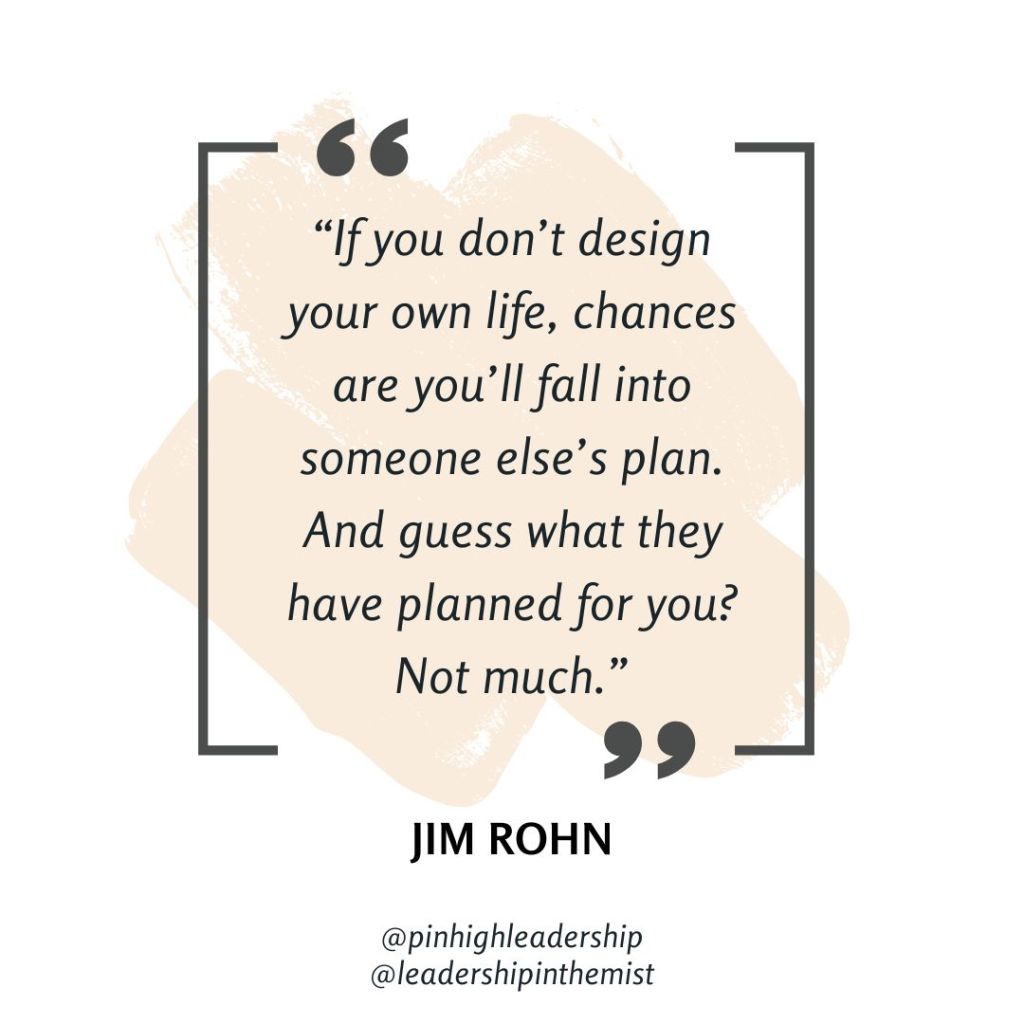
👉 “If you don’t design your own life, chances are you’ll fall into someone else’s plan. And guess what they have planned for you? Not much.” Jim Rohn
Most people allow their lives to simply happen to them, without really being strategic about what they want to accomplish.
In a study by behavioral scientist Gerald Bell, where he interviewed successful executives to find out what they wish they would have done differently in life, he lists the top 8 answers:
1️⃣ I should have taken charge of my life and set my goals earlier.
2️⃣ I would have taken better care of my health.
3️⃣ I would have managed my money better.
4️⃣ I would have spent more time with my family.
5️⃣ I would have spent more time on personal development.
6️⃣ I would have had more fun.
7️⃣ I would have planned my career better.
8️⃣ I would have given more back.
I think we can all relate to something on this list and I also think it’s inevitable that we will have some regrets in life. We’re always going to make mistakes. But the better we plan our lives and the more intentional we are with our time, the fewer regrets we’ll have.
When designing your life, Maxwell says it’s imperative to develop systems. In “The E-Myth,” Michael Gerber says that “systems permit ordinary people to achieve extraordinary results predictably.” A system is simply an organized framework or method, or a set of principles or procedures for getting something done.
You probably have a system for getting ready for work in the morning, or for staying organized at home or work, or for doing laundry, or for grocery shopping, or for organizing your closet.
💡 But what systems do you need to employ to ensure you get the results you want in life? You might be busy, but if you’re busy doing things that don’t target the areas essential for your success, you’re actually impairing your ability to succeed. When developing systems, here are some questions John gives us to consider:
1️⃣ Will the system help you reach your big-picture goals?
2️⃣ Is the system consistent with your values and commitments?
3️⃣ Does the system give you a tangible way to judge if you’ve succeeded?
4️⃣ Does the system have a built-in bias toward action?
5️⃣ Does the system make better use of your time than what you’re doing now?
6️⃣ Can and will you easily repeat the system on a regular basis?
The last piece of advice John gives is to make the system simple and straightforward. It doesn’t need to be complicated.
Let me know in the comments what resonated with you the most and if you don’t mind, hit that 👍 button and share if you like this post.
 Leadership in the Mist